
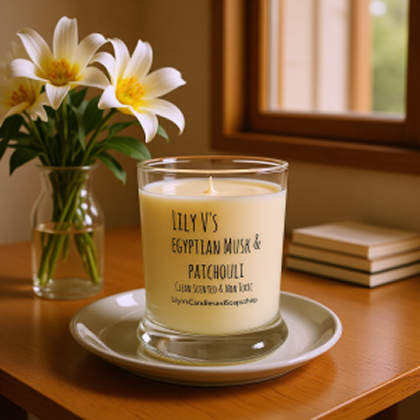
Choosing high-quality candles for your daily living spaces makes an immediate difference in the comfort, warmth, and overall scent balance of your home. A fine home aroma should never feel harsh or induce headaches, yet mass-market options frequently fall short because they prioritize speed of manufacturing over ingredient integrity. Finding a truly exceptional product requires knowing what happens under the surface of the wax.
At Lily V Candles and Soaps, we handcraft our products in Cincinnati with a focus on sustainable soy wax and clean aroma profiles. We believe that natural home fragrance candles should elevate your daily rituals through honest materials and dependable burn performance. When you understand the elements that compose superior craftsmanship, selecting the right candle for your home becomes a simple and rewarding process.
The Role of Wax in Long-Lasting Home Scent
Wax composition is the single most defining characteristic of high-quality candles. The wax base serves as the fuel source and the carrier for the fragrance oils, which means its purity directly affects both your indoor air and the candle burn rate. When we produce high-quality candles in our workshop, we witness firsthand how the molecular density of natural vegetable waxes creates a clean and slow melt.
Many commercial options rely on paraffin wax because it is cheap to refine from petroleum and easily holds heavy synthetic dyes. However, paraffin burns quickly and tends to produce fine black soot that settles on walls and ceilings. In contrast, soy wax is a renewable agricultural resource made from soybean oil. It burns at a noticeably lower melting point, which produces a cooler and longer burn cycle that gently releases fragrance over dozens of hours.
Beeswax and coconut wax are also respected alternatives in the artisan space. Beeswax provides a rich natural honey tone and emits negative ions that assist in clearing airborne particles, while coconut wax provides an exceptionally creamy texture and smooth melt pool. When you seek out natural home fragrance candles, verifying that the wax is purely vegetable or beeswax-based ensures you avoid hidden paraffin fillers that degrade indoor air quality.
To see the difference that pure soy wax makes in everyday settings, the candle collection at Lily V Candles and Soaps features an array of clean options designed to burn cleanly from the first lighting to the very bottom of the vessel.
Wick Construction and Flame Behavior
A candle is an engineered combustion system where the wick controls the rate at which melted wax vaporizes into fragrance. Even the cleanest wax will struggle if the wick is poorly constructed or incorrectly sized for the diameter of the jar.
When evaluating high-quality handmade candles, inspect the wick material before purchasing. The gold standard for safe home burning is unbleached cotton or sustainably harvested natural wood. Braided cotton wicks without chemical stiffeners deliver a steady upright flame that creates an even melt pool across the surface of the wax.
Wood wicks offer a broad horizontal flame and a gentle crackling sound, which helps distribute heat evenly across wider containers.
The presence of a well-crafted wick ensures that premium scented candles melt evenly across the entire surface rather than tunneling straight down the center. When a wick is too thin, it drowns in the melting wax pool and produces a weak flame that fails to distribute scent. When a wick is too thick, it burns too hot and produces smoke. Balanced wick sizing creates a calm flame that consumes wax at a predictable and steady pace.
For an example of balanced wick engineering in a decorative vessel, the Evoca lavender candle provides a steady flame and consistent aroma release designed for medium and large rooms.
Scent Architecture and Fragrance Composition
The scent of a candle should unfold gracefully rather than overwhelming a room in minutes. Master candle makers approach scent design much like fine perfumers, utilizing an established balance of aromatic notes to create lasting depth.
In perfumery and candle craftsmanship, balanced aromas follow a structure of top notes, middle notes, and base notes.
The top notes represent the initial aroma you detect when opening the container, usually consisting of bright citrus or light herbs. The middle or heart notes form the main body of the fragrance, featuring floral, spicy, or green elements that emerge as the wax warms. The base notes consist of rich woods, resins, amber, or vanilla, which anchor the scent and linger in your living space long after the flame is extinguished.
According to the U.S. Consumer Product Safety Commission, candle safety requirements restrict lead content in metal-cored wicks, while voluntary ASTM standards address areas such as fire safety, labeling, and visible emissions from burning candles.
When crafting luxury handmade candles, makers ensure that the fragrance load is balanced with the wax volume. Adding too much fragrance oil can destabilize the wax matrix, leading to heavy smoke, weeping oil pools, and an aggressive scent throw that overwhelms the senses. Choosing high-quality candles means seeking out phthalate-free fragrance formulations and botanical essential oils that deliver rich aromas without reliance on harsh chemical extenders.
Selecting the Right Fragrance for Every Room
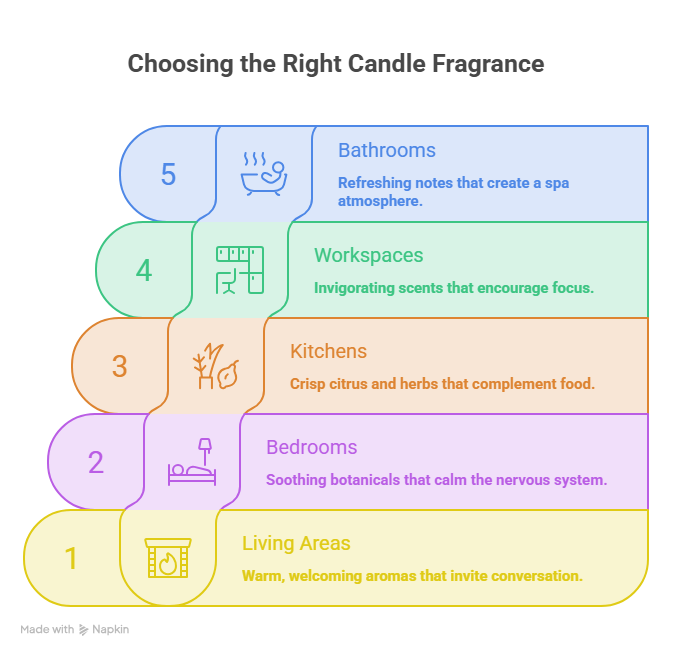
Every room in your home serves a different function, and your choice of home scent should complement the activities that take place in each space. Matching specific scent families to particular rooms creates an intuitive atmosphere that supports relaxation, productivity, or hospitality.
- Living and entertaining areas
Social spaces benefit from warm, welcoming aromas that invite conversation without distracting guests. Subtle wood tones, amber, vanilla, and gentle spices create a cozy environment that feels refined and inviting.
- Bedrooms and resting spaces
Restful environments call for soothing botanicals that calm the nervous system. Lavender, chamomile, soft cedar, and light powdery floral notes encourage relaxation and prepare the mind for deep sleep.
- Kitchens and dining spaces
Kitchens already contain strong culinary aromas, so candle fragrances should complement rather than compete with food preparation. Crisp citrus blends such as lemon, bergamot, or grapefruit, alongside fresh culinary herbs like rosemary and basil, help neutralize lingering cooking odors while keeping the air fresh.
- Workspaces and home offices
Productivity spaces require crisp, invigorating scents that encourage mental focus and clarity. Peppermint, eucalyptus, lemongrass, and bright greens stimulate the mind and help maintain alertness throughout long work hours.
- Bathrooms and laundry areas
Moisture-rich spaces benefit from crisp linen, oceanic notes, cucumber, and clean herbal accords that create a refreshing spa atmosphere.
Selecting premium scented candles suited to each distinct zone allows you to curate an intentional sensory map throughout your entire home. When choosing high-quality handmade candles for large open floor plans, consider using multiple wick arrangements.
Multi-wick options produce a wider melt pool that disperses scent effectively across open concepts without requiring excessive heat from a single flame. The handcrafted dough bowl candles provide multiple flame points set within a rustic wooden trough, making them an ideal centerpiece for spacious dining and living areas.
Essential Care Habits for Optimal Candle Performance
The lifespan and cleanliness of your candle depend significantly on how you manage each burn session. Even the finest luxury handmade candles can underperform if basic care principles are ignored.
- Execute a proper initial memory burn.
The first time you light a new candle, allow it to burn continuously until the melted wax pool reaches all outer edges of the vessel. Soy wax has a molecular memory, and extinguishing the flame before a full pool forms will cause the candle to tunnel downward on subsequent burns, leaving wasted wax along the sides.
- Trim the wick before every lighting.
Always trim your cotton wick to approximately one quarter inch before lighting. A wick that is too long will develop a carbon mushroom at the tip, causing the flame to flicker, produce soot, and burn through wax too quickly.
- Limit burn sessions to four hours.
Burning a candle for longer than four hours causes the container to overheat and accelerates fragrance vaporization, which depletes the scent profile prematurely.
- Keep flames away from drafts.
Air currents from ceiling fans, open windows, and heating vents cause flames to flicker erratically, which leads to incomplete wax combustion and visible smoke.
- Extinguish with a snuffer or wick dipper.
Blowing out a flame often produces a cloud of smoke and can dislodge the wick from its centered position. Using a snuffer or dipping the wick into the liquid wax eliminates smoke and coats the wick for an easier relight.
Following these routine steps ensures your natural home fragrance candles deliver their maximum burn time and maintain their pure aromatic qualities throughout their entire life. Investing in high-quality candles and pairing them with proper burn habits ensures a safer, cleaner, and vastly more luxurious aromatic experience for your household.
Finding high-quality candles that align with your health standards is an investment in the comfort and wellness of everyone who walks through your front door.
If you are looking to explore classic sizes for daily enjoyment, the soy candle can provide an accessible format to sample different fragrance profiles while enjoying steady artisan performance.
Frequently Asked Questions
What is the thirty fifty twenty rule for candle fragrances?
The thirty fifty twenty rule is a blending guideline used by perfumers and candle makers to build balanced aroma profiles. The formula suggests composing a fragrance using thirty percent top notes for the initial scent burst, fifty percent middle notes for the core body, and twenty percent base notes for lasting depth.
How can someone make their home smell luxurious and welcoming?
To achieve a luxurious aroma at home, start by eliminating unwanted odor sources to establish a neutral baseline. Then introduce a cohesive fragrance family using clean-burning soy or beeswax candles, placing complementary scents in adjacent rooms so the fragrance flows naturally without overpowering any single space.
Why do some homemade candles fail to produce a strong scent?
Candles often lack a strong hot throw when the fragrance oil is added at an incorrect wax temperature, when the candle has not cured for sufficient time, or when the wick is too small to generate a full melt pool. Soy wax typically requires one to two weeks of curing time for fragrance oils to bind properly with wax molecules.
How long should an artisan soy candle burn during a single session?
An artisan soy candle should ideally burn between two and four hours during a single session. This duration allows the wax to reach the container edges without overheating the glass vessel or degrading the remaining fragrance oils in the lower portion of the jar.
What is the cleanest burning wax for indoor residential spaces?
Pure soy wax, beeswax, and coconut wax are widely regarded as the cleanest options for residential spaces. These renewable waxes burn at lower temperatures and release substantially less soot and fewer airborne volatile compounds compared to petroleum-derived paraffin waxes.
Elevated Ambiance Rooted in Thoughtful Craftsmanship
Selecting the high-quality candles for your home is ultimately an exercise in prioritizing ingredient purity, master craftsmanship, and sensory comfort. By focusing on renewable vegetable waxes, unbleached wicks, and transparent fragrance oils, you can fill your living areas with inviting aromas that support a healthy and relaxing indoor environment.
We take immense pride in handcrafting small-batch goods that make everyday moments feel special. Explore our full collection of thoughtfully poured soy creations at Lily Vs Candles and Soaps and bring warm, clean fragrance into your home today.

