
Non-toxic candles for home use have become essential for anyone who wants to enjoy beautiful ambiance without introducing harmful chemicals into their living space. The candle aisle can feel overwhelming with vague marketing terms and misleading labels, which makes it harder than it should be to identify truly safe options.
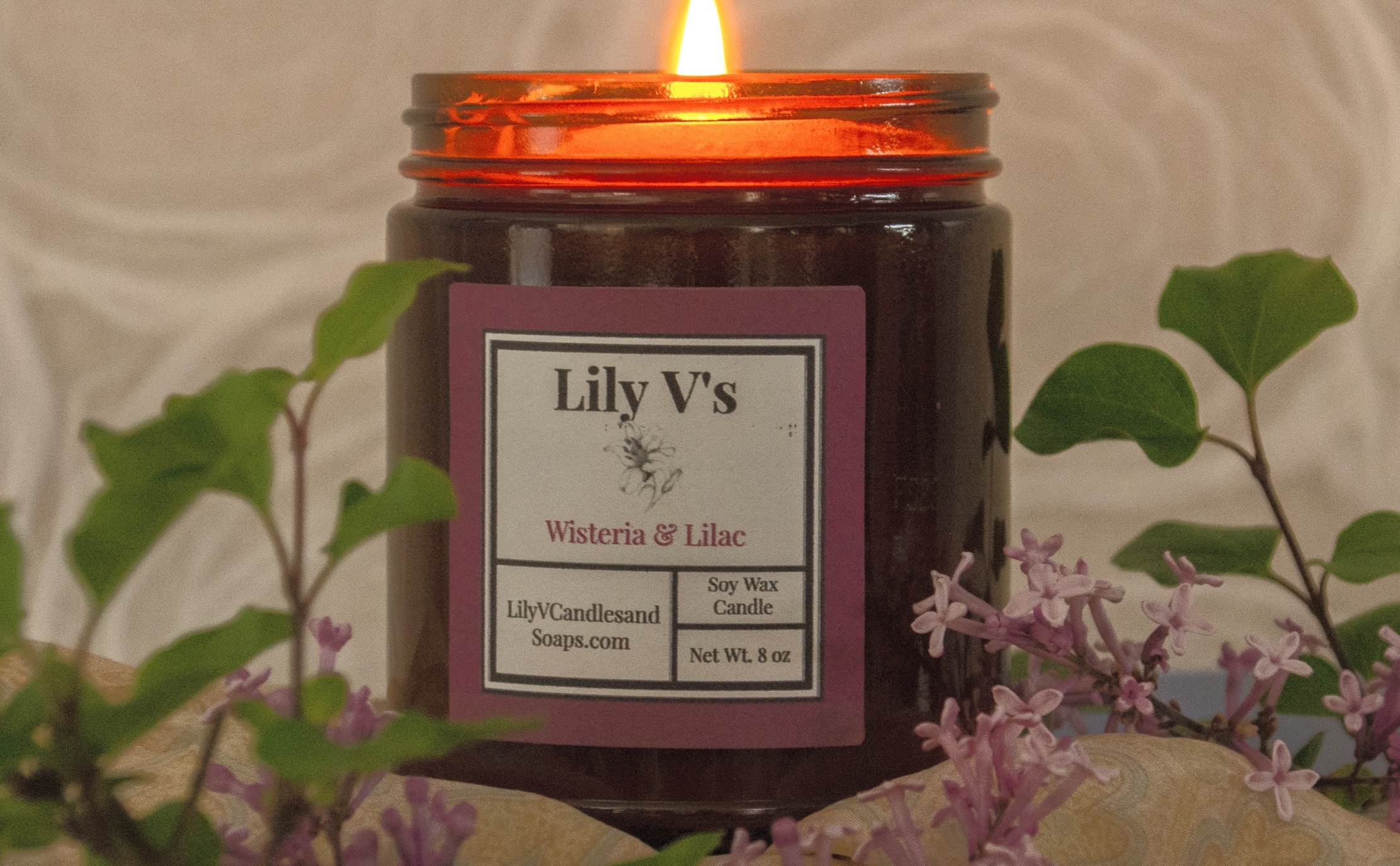
At Lily V Candles and Soaps, we hand-pour every candle in Cincinnati using 100 percent renewable soy wax and thoughtfully chosen fragrance oils. We know exactly what goes into every product we make, and we want to help you understand what separates genuinely safe candles from the ones simply dressed up to look that way.
Why Non-Toxic Candles Matter More Than You Think
Candles do more than provide light and fragrance. They actively influence the air quality of your home every time you light one. A poorly made candle can release soot, volatile organic compounds, and hormone-disrupting chemicals directly into the space where you sleep, eat, and spend time with family.
The term “non-toxic” is not legally regulated in the candle industry, which means brands can use the phrase without meeting any specific standard. This is why reading actual ingredient lists matters far more than trusting front label marketing claims. When shopping for non-toxic candles for home use, you need to look past the buzzwords and examine what the candle is actually made of.
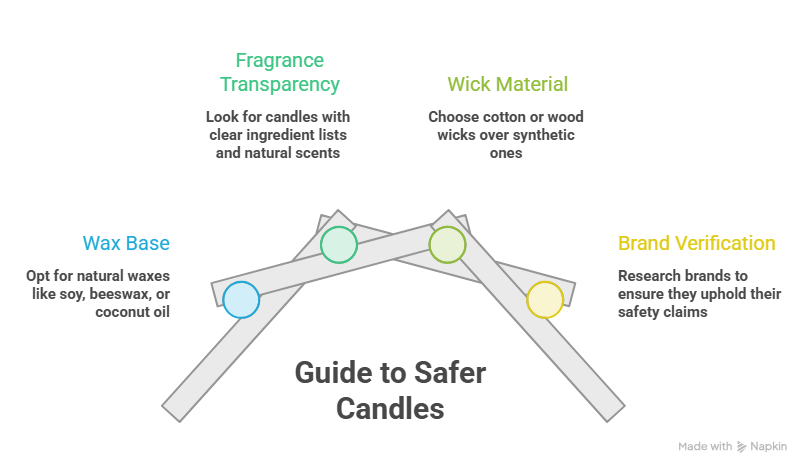
Here is what genuinely safe candles have in common:
- 100 percent natural plant- or animal-based waxes.
- Pure essential oils or clearly disclosed phthalate-free fragrance.
- Lead-free cotton or untreated wood wicks.
- Full ingredient transparency from the brand.
Choosing the Right Wax Base
The wax is the largest component of non-toxic candles for home. Different waxes burn differently, release different byproducts, and come from vastly different sources. Understanding your options lets you make a smart decision every time.
Soy wax is extracted from soybeans and is one of the most popular plant-based options available. It is renewable, biodegradable, and burns at a lower temperature than paraffin, which means less soot and a longer overall burn time. Just be cautious of products labeled as “soy blend” because these can secretly contain paraffin.
Beeswax burns slowly and naturally releases negative ions that can help freshen the air. It has a subtle honey aroma even without added fragrance and produces one of the cleanest flames of any wax available.
Coconut wax offers an exceptionally clean and slow burn while holding fragrance beautifully. It is often blended with soy or beeswax to create a balanced formulation that performs consistently.
Paraffin wax should always be avoided. It is a petroleum byproduct that can release benzene, toluene, and other harmful compounds when burned. These are the exact chemicals that make conventional candles a concern for indoor air quality.
According to research available through Wiley, burning candles can release particulate matter and other combustion-related pollutants into indoor air, although evidence regarding their long-term health effects remains limited. This research underscores why the wax base is not just a preference but a genuine health decision.
Fragrance and Scent Transparency
Fragrance is where most conventional candles hide their worst ingredients. Under current labeling laws, brands can list a single word like “fragrance” or “parfum” without disclosing the dozens of chemicals that word might represent. This loophole allows synthetic musks, phthalates, and other undisclosed compounds to enter your home undetected.
Non-toxic scented candles rely on transparent fragrance sources. Look for candles scented with 100 percent pure essential oils, offering authentic aromatic profiles. If a brand uses fragrance oils instead of essential oils, they should explicitly state that those oils are phthalate-free and paraben-free.
Watch out for these vague terms that often signal hidden ingredients:
- “Fine fragrance”
- “Natural parfum”
- “Fragrance blend”
- “Proprietary scent”
Phthalates deserve special attention because they are known hormone disruptors used to make artificial scents linger longer. Any brand serious about producing f natural non-toxic candles will openly confirm that their fragrances are phthalate-free. If a brand cannot or will not answer that question directly, that hesitation tells you everything you need to know.
Full ingredient transparency is the gold standard. When we formulate scents, we know exactly what is going into every batch because we source and mix everything ourselves. That level of control is what allows us to stand behind every candle we sell.
For anyone starting the switch to safer options, the soy candle collection offers a wide range of scents crafted entirely with plant-based wax.
Wick Material and Why It Matters
The wick might seem like a small detail, but it plays a major role in how cleanly a candle burns. The wrong wick can release heavy metals, produce excessive soot, and cause uneven burning even when paired with the finest wax.
Here is what a wick looks like in truly non-toxic candles for home:
- Unbleached cotton for a chemical-free burn.
- Hemp fibers for a natural and steady flame.
- Untreated wood for a gentle crackle and a wide, even melt pool.
Avoid any candle with a metal core wick. While lead core wicks were banned in the United States in 2003, some imported candles may still contain them. Zinc cores are also worth avoiding because they can release metal particles into the air over time.
Be aware of greenwashing terms as well. A label that says “lead-free wick” is technically accurate but meaningless because lead has been banned for over two decades. Similarly, “natural cotton wick” sounds appealing but may still refer to bleached or chemically treated cotton. Always look for the word “unbleached” for the cleanest option.
The dough bowl candles available from Lily V Candles and Soaps are hand-poured with carefully tested wicks that create a beautifully even burn across the entire wooden vessel.
How to Verify a Brand Actually Delivers on Its Claims
The best way to confirm that a candle is genuinely safe is to ask direct questions. Reputable brands welcome this kind of engagement because they have nothing to hide. Here are the questions worth asking before you buy:
- Is the wax 100 percent soy, beeswax, or coconut with no paraffin blend?
- Are the fragrance oils phthalate-free and paraben-free?
- Does the candle contain synthetic musks or VOCs like benzene or toluene?
- Is the wick made from unbleached cotton, hemp, or untreated wood?
- Does the brand disclose all ingredients openly?
If a brand cannot answer these questions clearly or tries to hide behind marketing language, consider that a red flag. Small batch makers who craft their products by hand are often the most transparent because they personally source and combine every ingredient.
We invite conversation from every customer because we believe informed buyers make the best long-term supporters of clean craftsmanship. That direct connection between maker and buyer is one of the things that sets truly safe candle brands apart from mass-produced alternatives.
If you want to explore the complete lineup of hand-poured options, the candle collection at Lily Vs Candles and Soaps offers something for every space and season.
Simple Habits That Extend the Life of Non-Toxic Candles
Even the highest quality candles perform better when cared for properly. These simple habits help you get the most out of every candle you burn:
- Cut the wick to about a quarter inch before every burn.
- Allow the wax to melt fully to the edges on the first burn.
- Never burn a candle for more than three to four hours at a time.
- Keep candles away from drafts, vents, and open windows.
- Store unused candles in a dry, cool place away from direct sunlight.
These practices reduce soot, prevent tunneling, and help your natural scented candles last significantly longer. The small amount of extra care pays off in cleaner burns and more enjoyable fragrance over time.
For a warm and inviting option that pairs beautifully with these care habits, the coffee candle delivers a rich aroma that fills any room without overwhelming it.
Frequently Asked Questions
What is the safest and healthiest candle to burn?
The safest option is a candle made from 100 percent pure beeswax, soy, or coconut wax paired with an unbleached cotton or wooden wick and scented exclusively with pure essential oils or clearly disclosed phthalate-free fragrance oils.
How can you tell if a candle is non-toxic?
Check the label carefully to see the wax type, fragrance source, and wick material. Because terms like “clean” and “non-toxic” are legally unregulated, you have to look at the specific components listed rather than trusting marketing claims on the front of the label.
What candles should you avoid?
Avoid candles made with paraffin wax, metal core wicks, and undisclosed synthetic fragrances or artificial dyes. These ingredients can release volatile organic compounds, heavy metals, and hormone-disrupting chemicals into your home when burned.
Are soy candles truly non-toxic?
Soy candles are significantly safer than paraffin, but only when they are 100 percent soy with no hidden blends. Products labeled as “soy blend” may contain paraffin, so always confirm the wax is pure soy by checking the ingredient list or asking the brand directly.
Do essential oil candles smell as strong as synthetic scented ones?
Essential oil candles offer a more subtle and grounded aroma compared to synthetic fragrances, which are engineered to be overpowering. The scent may feel gentler at first, but it fills a room in a more natural and balanced way without causing headaches or irritation.
Light with Confidence and Peace of Mind
Choosing non-toxic candles for home use is one of the most impactful ways to protect your indoor air quality while still enjoying the warmth and comfort that only a beautifully scented candle can provide. From the wax base to the wick material to the fragrance transparency, every detail matters when it comes to creating a safer space for you and your loved ones.
Explore the full range of hand-poured small-batch options at Lily Vs Candles and Soaps and experience the difference that clean, conscious craftsmanship can make in your everyday routine.

